Passivation is a critical process in manufacturing industries using metals, that are prone to corrosion. Simply, passivation is a process of treating metal surfaces with a protective layer that improves their resistance to corrosion, thereby extending the metal’s lifespan.
This informative article explores the significance of passivation in manufacturing, the various methods employed, and its diverse applications across multiple industries.
Methods of Passivation
In essence, passivation is a cost-effective metal finishing process to enhance the lifespan of the metal. Several methods are employed in passivating metal surfaces, each tailored to suit specific manufacturing requirements and material characteristics. The most common methods include:
Chemical Passivation
Chemical passivation is a process where metal components are dipped in an acidic solution containing oxidizing agents such as nitric acid, citric acid, or sodium dichromate. This process helps create a thin, adherent oxide layer on the metal surface, which passivates it against corrosion. Chemical passivation is widely used due to its effectiveness, ease of application, and ability to passivate complex geometries.
Electropolishing
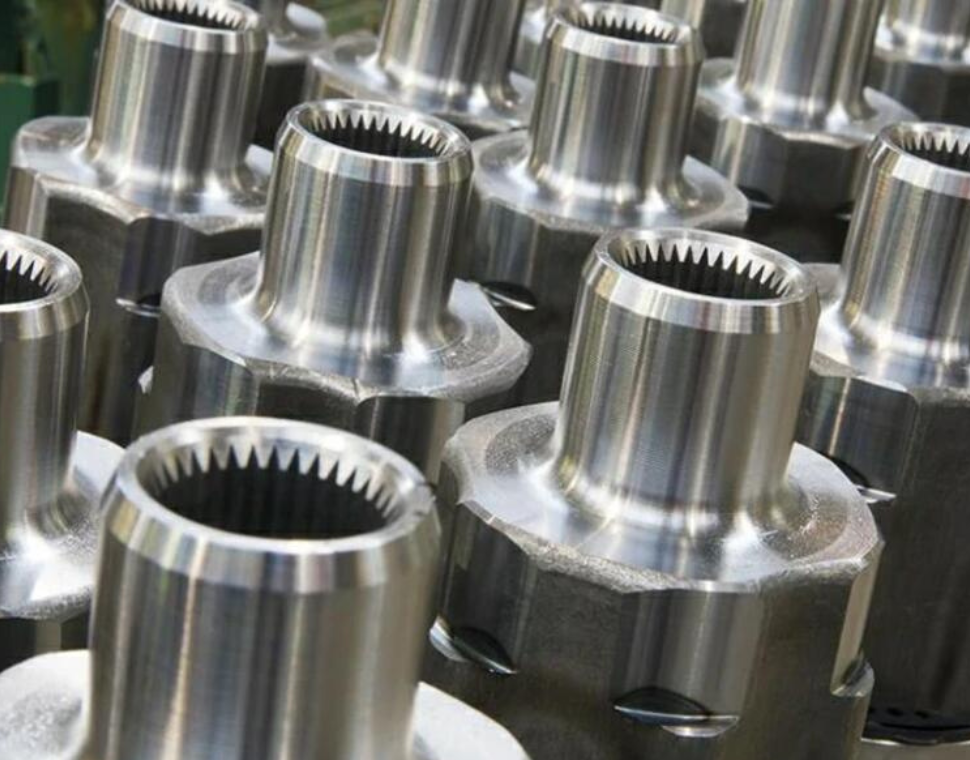
Electropolishing is a specialized technique used to passivate metal components. In simpler terms, it involves the electrolytic removal of surface material from these components. As a result of this process, metal ions are selectively dissolved from the surface, leading to a smoother, more corrosion-resistant finish. Additionally, electropolishing improves the aesthetic appeal and mechanical properties of metal surfaces, making it the preferred choice in industries such as pharmaceuticals, food processing, and medical devices.
Mechanical Passivation
Mechanical passivation techniques involve using abrasive or mechanical treatments to eliminate surface contaminants and encourage the formation of a passive oxide layer. This technique is often utilized to prepare metal surfaces for passivation. Processes like grinding, buffing, and blasting are commonly used for this purpose.
However, mechanical passivation alone may not achieve the desired level of corrosion resistance. To enhance its effectiveness, it is frequently combined with chemical or electropolishing methods.
Anodic Passivation
Anodic passivation is a process commonly used in industries that deal with stainless steel and other corrosion-resistant alloys. The process involves applying a positive electric potential to metal surfaces submerged in an electrolyte solution. This stimulation results in the formation of a thick and dense oxide layer that significantly improves the metal’s resistance to corrosion.
By using anodic passivation, these industries can ensure the longevity and quality of their products, as they become more resistant to damage and erosion. Overall, anodic passivation is an effective electrochemical process that offers significant benefits to those in industries that require corrosion-resistant materials.
Applications of Passivation
Passivation finds extensive applications across various industries where corrosion resistance is paramount. Some notable applications include:
- Aerospace and Defense
Passivation is critical in aerospace and defense applications to protect aircraft components, missile systems, and military equipment from corrosion, ensuring optimal performance and reliability in harsh environments.
- Medical and Pharmaceutical
In the medical and pharmaceutical sectors, passivation is essential for maintaining the cleanliness and corrosion resistance of surgical instruments, implants, and pharmaceutical manufacturing equipment, thus ensuring patient safety and regulatory compliance.
- Automotive
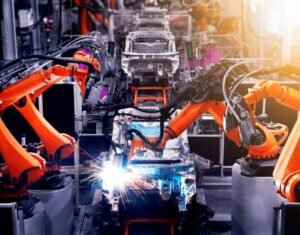
Passivation is employed in the automotive industry to enhance the corrosion resistance of automotive components such as engine parts, chassis, and fasteners, thereby extending the lifespan of vehicles and improving safety.
- Food and Beverage
Passivation is utilized in food and beverage processing equipment to prevent contamination, maintain hygiene standards, and prolong the service life of stainless-steel tanks, piping, and fittings used in food processing plants.
Passivation in Everyday Appliances
Passivation, while a technical process often associated with industrial applications, has everyday relevance in various aspects of our lives. Here, we’ll explore passivation in daily applications along with examples:
- Kitchen Utensils
Stainless steel kitchen utensils like knives, forks, spoons, and cookware are commonly passivated. The process forms a thin protective layer on the surface, preventing rusting and corrosion caused by exposure to moisture and acidic foods. This ensures that your utensils remain durable and hygienic for everyday use.
- Household Appliances
Many household appliances, such as refrigerators, ovens, and washing machines, contain metal components that undergo passivation. For example, the interior of a washing machine drum is typically made of stainless steel and is passivated to resist corrosion from water and detergents, thereby prolonging the appliance’s lifespan.
- Jewelry
Jewelry made of metals like gold, silver, and platinum often undergo passivation to maintain their luster and prevent tarnishing. The process protects against corrosion from sweat, perfume, and other environmental factors, ensuring that your favorite pieces retain their shine and beauty over time.
- Personal Electronics
Smartphones, laptops, and other personal electronic devices incorporate metal components that are susceptible to corrosion. Passivation helps protect these components from environmental factors such as moisture and humidity, ensuring the longevity and reliability of the devices.
- Outdoor Furniture and Fixtures
Metal furniture, fixtures, and outdoor equipment like garden tools and barbecue grills are often passivated to withstand exposure to the elements. This ensures that they remain resistant to rust and corrosion, maintaining their appearance and functionality despite prolonged outdoor use.
- Musical Instruments
Brass and other metal components of musical instruments, such as trumpets, saxophones, and cymbals, undergo passivation to prevent corrosion and maintain their sound quality. This is particularly important for instruments that are frequently handled and exposed to moisture during use.
In each of these daily applications, passivation plays a crucial role in protecting metal surfaces from corrosion, thereby enhancing durability, aesthetics, and functionality. Whether in the kitchen, at home, in our devices, or in various industries, passivation ensures that metal components remain resilient and reliable in the face of environmental challenges.
Significance of Passivation
Corrosion poses a significant threat to metal components, leading to structural degradation, reduced performance, and increased maintenance costs. Following are some of the significant benefits of passivation in manufacturing:
- Passivation creates a protective oxide layer on metal surfaces, preventing corrosion caused by exposure to moisture, chemicals, and other corrosive agents.
- By inhibiting corrosion, passivation helps extend the lifespan of metal components, reducing maintenance costs and ensuring long-term durability.
- Passivation enhances the reliability of metal parts and equipment by reducing the risk of structural degradation and failure due to corrosion-induced damage.
- Passivation can improve the appearance of metal surfaces by maintaining their original finish and preventing unsightly rust or discoloration.
- In industries such as food processing, medical, and pharmaceuticals, passivation ensures hygienic conditions by preventing contamination and maintaining the integrity of equipment surfaces.
- Passivation may be required to meet regulatory standards in various industries, particularly those related to food safety, medical device manufacturing, and environmental protection.
- Passivation can improve the performance of metal components by reducing friction, wear, and the risk of surface pitting or cracking associated with corrosion.
Passivation plays a vital role in manufacturing by enhancing the corrosion resistance of metal components, thereby ensuring their longevity, reliability, and performance across various industries. By understanding the importance of passivation, employing appropriate passivation methods, and adhering to best practices, manufacturers can effectively mitigate the detrimental effects of corrosion, resulting in cost savings, improved product quality, and enhanced customer satisfaction.
Passivation Solutions with Mechkonnect
Mechkonnect Industrial Solutions specializes in providing comprehensive passivation services for various industrial applications. Our team of skilled professionals ensures the effective passivation of metal surfaces using advanced techniques such as chemical passivation, electropolishing, and mechanical passivation. With a focus on quality, reliability, and efficiency, Mechkonnect Industrial Solutions assists clients in preserving the integrity and longevity of their metal components by mitigating the risks of corrosion and ensuring compliance with industry standards.
Mechkonnect’s innovative passivation solutions play a crucial role in enhancing the performance and reliability of industrial equipment, ultimately driving operational excellence and customer satisfaction. Looking for passivation solutions? We are here to help.