Manufacturing is no longer being shaped by technology. It is already being run by it.
AI, automation, and data-driven systems are deeply integrated into modern industrial operations. The gap today is not access to technology; it is how effectively companies are using it. While many businesses have adopted digital tools, only a fraction are translating that into a real competitive advantage. That difference comes down to one thing: operational alignment.
The New Industrial Reality
AI in manufacturing is no longer limited to large enterprises or experimental use cases. Across the industry:
- Over 60% of manufacturers are actively using AI in core functions
- Predictive maintenance is reducing downtime by up to 50%
- AI-driven quality systems are achieving near–zero defect detection levels in many environments
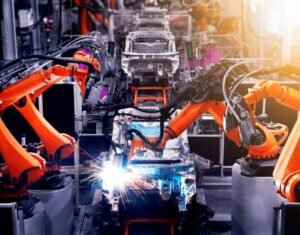
Automation has also moved beyond basic mechanization. It now enables:
- Standardized execution across batches
- Real-time process control
- Scalable production without proportional cost increase
The result is clear: efficiency is no longer the differentiator. Intelligence is.
Why Traditional Production Thinking Falls Short
Despite access to advanced tools, many businesses are still operating with outdated production models:
- Bulk manufacturing based on forecasts
- High dependency on inventory
- Fixed production cycles
These models create friction in a system that is now capable of precision and responsiveness. The issue is not technology adoption. It is continuing to operate with legacy thinking in a modern system.
On-Demand Manufacturing as a Strategic Model
This is where on-demand manufacturing becomes critical.
Instead of producing based on assumptions, companies are shifting toward demand-driven production, where output aligns closely with real-time requirements.
With on-demand production in manufacturing, businesses can:
- Reduce excess inventory and associated costs
- Improve cash flow by minimizing locked capital
- Respond quickly to changing demand patterns
- Avoid overproduction and operational waste
This is not just a production shift. It is a financial and strategic shift.
Where AI Strengthens On-Demand Manufacturing
On-demand manufacturing works best when supported by accurate, fast decision-making. This is where AI plays a central role. AI systems are now being used to:
- Analyze demand patterns and guide production planning
- Optimize scheduling for smaller, more frequent production runs
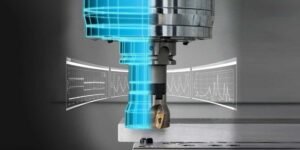
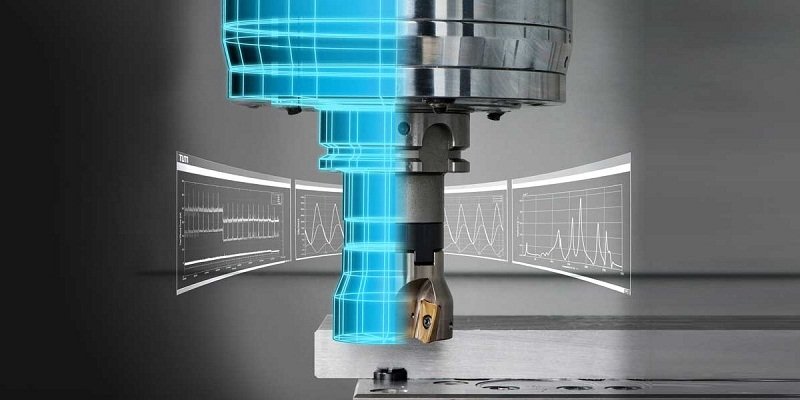
- Identify inefficiencies in real time
- Balance capacity with actual demand
This creates a system where production is not just flexible, but also intelligently controlled.
The Role of AI Tools in Operational Workflows
Beyond core manufacturing systems, AI tools are now deeply embedded in everyday industrial functions. Platforms like Claude are being used as decision-support systems across teams. In practical scenarios, this includes:
Planning & Forecasting
Interpreting complex datasets to support production decisions aligned with on-demand manufacturing models.
Procurement & Vendor Management
Evaluating supplier options, comparing costs, and identifying risks faster than manual processes.
Process Documentation
Creating and standardizing SOPs to ensure consistency across operations.
Data Interpretation
Turning operational data into clear insights for faster and more accurate decisions.
This layer of intelligence reduces delays in decision-making and improves overall coordination.
Automation as a Foundation for Consistency
While AI drives intelligence, automation ensures that decisions are executed reliably. In manufacturing, consistency directly impacts profitability. Automation helps:
- Maintain uniform quality across production
- Reduce human error
- Ensure repeatable and predictable outcomes
When combined with on-demand manufacturing, automation enables scalable flexibility, producing exactly what is needed, with consistent quality.
What Competitive Manufacturing Looks Like in 2026
The competitive edge in manufacturing today does not come from scale alone. It comes from how well a company integrates:
- AI-driven decision-making
- Automation-led execution
- On-demand manufacturing flexibility
This combination allows businesses to:
- Operate with greater control
- Respond faster without inefficiencies
- Maintain quality while managing costs
It is not about adopting more tools. It is about building a system where every part works together.
The Strategic Shift
Manufacturing is moving toward a model where:
- Production is demand-driven
- Decisions are data-driven
- Execution is automated and consistent
This is what defines modern smart manufacturing solutions.
Companies that align with this model are not just improving efficiency. They are building long-term competitiveness.
Where Mechkonnect Fits In
As manufacturing systems become more intelligent and flexible, the role of execution partners is also changing. Businesses now require partners who can:
- Deliver consistent, process-driven outcomes
- Support demand-driven production models
- Align with modern operational requirements
At Mechkonnect Industrial Solutions, the focus is on enabling this alignment, bringing reliability, flexibility, and execution discipline together.
Because in today’s industrial landscape, competitiveness is built on how well your systems work, not just how much you produce.