Sheet metal fabrication is a vital part of our everyday lives, shaping the world around us in ways that often go unnoticed. From the sleek design of your smartphone to the sturdy construction of your car’s frame, sheet metal fabrication is the skilled craft that transforms flat metal sheets into complex components that define our modern world.
In this article, we’ll explore the art and science of sheet metal fabrication, focusing on its concept, materials, types, methods, processes, and benefits in the sphere of on-demand manufacturing. By the end, you’ll have a better understanding of how this fascinating field impacts our lives and the world we live in.
Concept of Sheet Metal Fabrication
Sheet metal fabrication is more than a technical process; it’s an artful transformation of metal, a symphony of precision that allows us to breathe life into our design visions. Imagine the sleek curvature of your refrigerator door, seamlessly formed through bending and cutting techniques, or the precise enclosure of your laptop is the evidence of the meticulous art of shaping metal sheets. The concept of sheet metal fabrication is a true art in precision engineering, providing the backbone for the products that seamlessly integrate into our daily routines.
Uses and Applications
The pervasive nature of sheet metal fabrication becomes apparent as we look around our homes, offices, and the cityscape. From the unassuming brackets in your furniture to the complicated panels in medical equipment, sheet metal fabrication is the unseen craftsman ensuring the structural integrity and aesthetic finesse of the items we interact with daily. It’s the reason why your coffee machine’s exterior is as polished as its brewing mechanism, showcasing the versatility of this process in creating both form and function.
Materials in Sheet Metal Fabrication
The choice of materials is pivotal in sheet metal fabrication. Steel, aluminum, brass, copper, and stainless steel offer a spectrum of properties. Steel, known for its robustness, finds its place in structural components, while aluminum’s lightweight nature is ideal for aerospace applications. The material selection is a careful process, considering factors such as strength, corrosion resistance, and cost-effectiveness.
Types of Sheet Metal Fabrication
Now let’s dive deep into sheet metal fabrication by understanding the types, each tailored to specific requirements.
- Cutting
- Laser Cutting: precision cutting using a laser beam
- Waterjet Cutting: employing high-pressure water mixed with abrasives for intricate cuts
- Forming
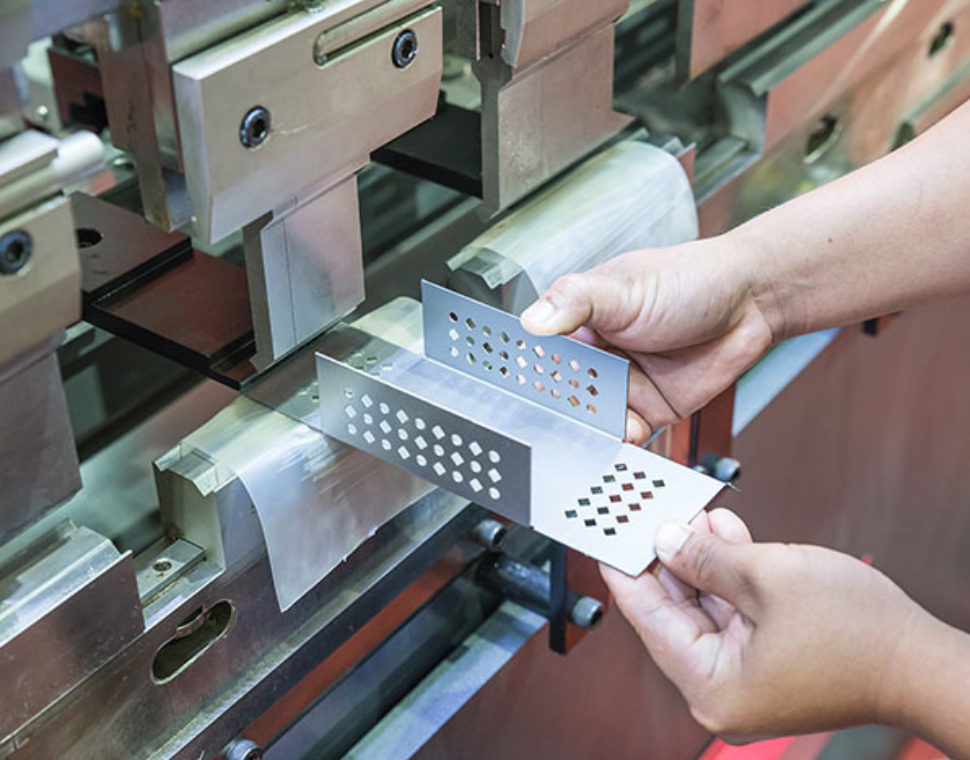
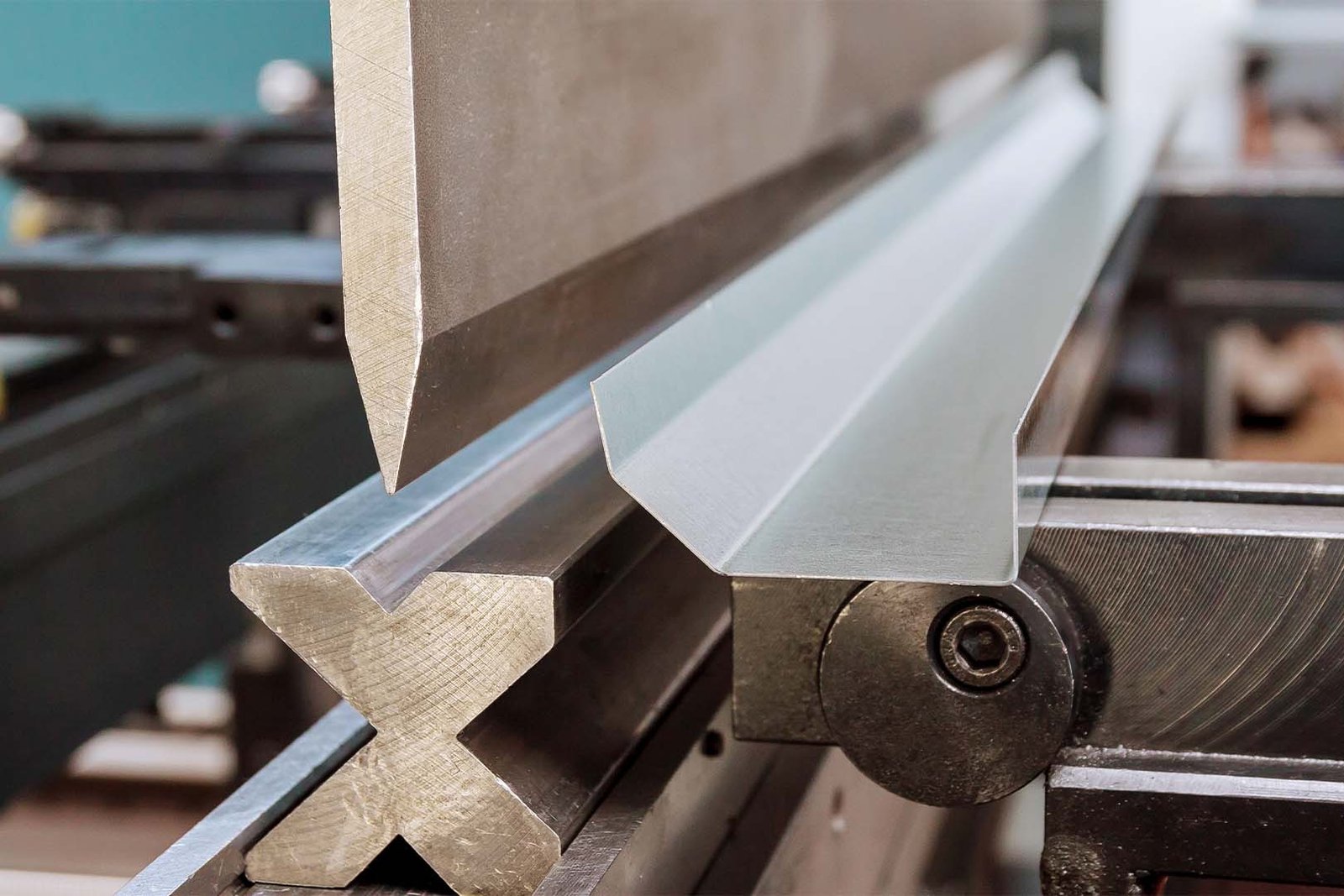
- Bending: creating angles and shapes using press brakes
- Rolling: shaping the metal into curves or cylinders through rollers
- Joining
- Welding: fusion of metal sheets for durable connections
- Fastening: employing methods like riveting, screws or adhesives
Sheet Metal Fabrication Methods
From the artisan’s skilled hands shaping metal manually to the precision-driven dance of CNC machines, the methods in sheet metal fabrication are as diverse as the products they create. Every technique employed adds a unique element to the final creation.
- Manual Fabrication
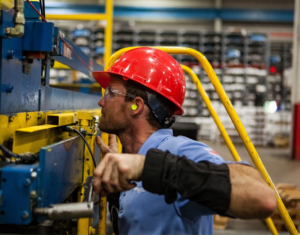
Experts use hand tools and equipment for smaller-scale and intricate productions.
- CNC Machining
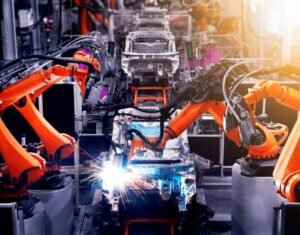
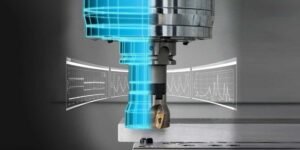
Computer Numerical Control (CNC) machines ensure precision and repeatability in large-scale production.
Sheet metal fabrication is a complex and precise process that involves transforming flat metal sheets into a variety of intricate components. Let’s understand the process of sheet metal fabrication in detail.
Sheet Metal Fabrication Process
The process can be broken down into several distinct steps, each requiring specialized techniques and equipment. Here’s a detailed description of the sheet metal fabrication process:
- Design and Planning
The process begins with a detailed design phase using computer-aided design (CAD) software. Engineers create precise plans that outline the dimensions, tolerances, and specifications of the final product. This digital blueprint serves as a guide throughout the fabrication process.
- Material Selection
Choosing the appropriate metal material is a critical step. The selection depends on the specific requirements of the end product, considering factors such as strength, weight, corrosion resistance, and cost. Common materials include steel, aluminum, brass, copper, and stainless steel.
- Sheet Metal Cutting
The chosen metal sheet is cut into the desired shapes using various cutting methods. The two primary cutting techniques are:
Laser Cutting: Utilizes a high-powered laser beam to cut through the metal sheet precisely.
Waterjet Cutting: Involves a high-pressure stream of water mixed with abrasive particles to cut through the metal. Waterjet cutting is particularly useful for materials that may be affected by heat.
- Punching and Blanking:
For simpler shapes and hole patterns, punching or blanking may be employed. Punching uses a die and punch to create holes, while blanking cuts out a piece of metal to form a specific shape.
- Metal Forming – Bending and Folding
Bending is a crucial step where the metal sheet is shaped into the desired geometry. This is often done using a press brake, which applies force to bend the metal along a predetermined line. Folding, another forming method, involves bending the metal around a straight axis.
- Rolling
In cases where curvature or cylindrical shapes are required, the metal sheet is passed through rollers. This process, known as rolling, gradually shapes the metal into curves or cylinders.
- Deep Drawing
Deep drawing is used to create three-dimensional shapes from flat sheets. The metal sheet is clamped around a die and then formed into the desired shape using a punch.
- Joining – Welding and Fastening
Joining is a crucial step in assembling the various components. Welding is commonly used, involving the fusion of metal sheets using heat and often a filler material. Alternatively, fastening methods such as riveting, screws, or adhesives may be employed, depending on the design and material.
- Assembly
The final product is created through the precise assembly of individual components. This may involve welding, fastening, or a combination of methods to ensure structural integrity.
- Surface Finishing
After assembly, the fabricated components may undergo surface finishing processes to enhance aesthetics and provide protection against corrosion. Common finishing techniques include painting, powder coating, or applying protective coatings.
- Quality Control
Stringent quality control procedures are enforced at every stage of the manufacturing process. This may include dimensional inspections, visual checks, and, in some cases, non-destructive testing methods to ensure that the final product meets specified standards.
- Packaging and Shipping
The finished components are carefully packaged to prevent damage during transit. They are then shipped to the intended destination, whether it be a manufacturing assembly line or a customer’s location.
In essence, sheet metal fabrication is a painstaking and multidimensional process that requires expertise in various engineering disciplines, precision machinery, and a deep understanding of material properties. Each step contributes to the creation of high-quality, customized components that play integral roles in various industries.
Mechkonnect: Your Sheet Metal Fabrication Genius
Amidst the vast landscape of sheet metal fabrication, Mechkonnect emerges as the conductor orchestrating precision and excellence. As you navigate the intricate symphony of on-demand manufacturing, Mechkonnect stands ready to provide solutions that harmonize with your unique requirements. With state-of-the-art facilities and a seasoned team of experts, Mechkonnect ensures products and a seamless journey through sheet metal fabrication. From rapid prototyping to large-scale production, Mechkonnect’s commitment to excellence makes it the ideal partner for navigating the complexities of on-demand manufacturing.
Let us help you to craft your vision into reality. Head to this page to learn more about sheet metal fabrication, fill out the form, and receive a quote from us.