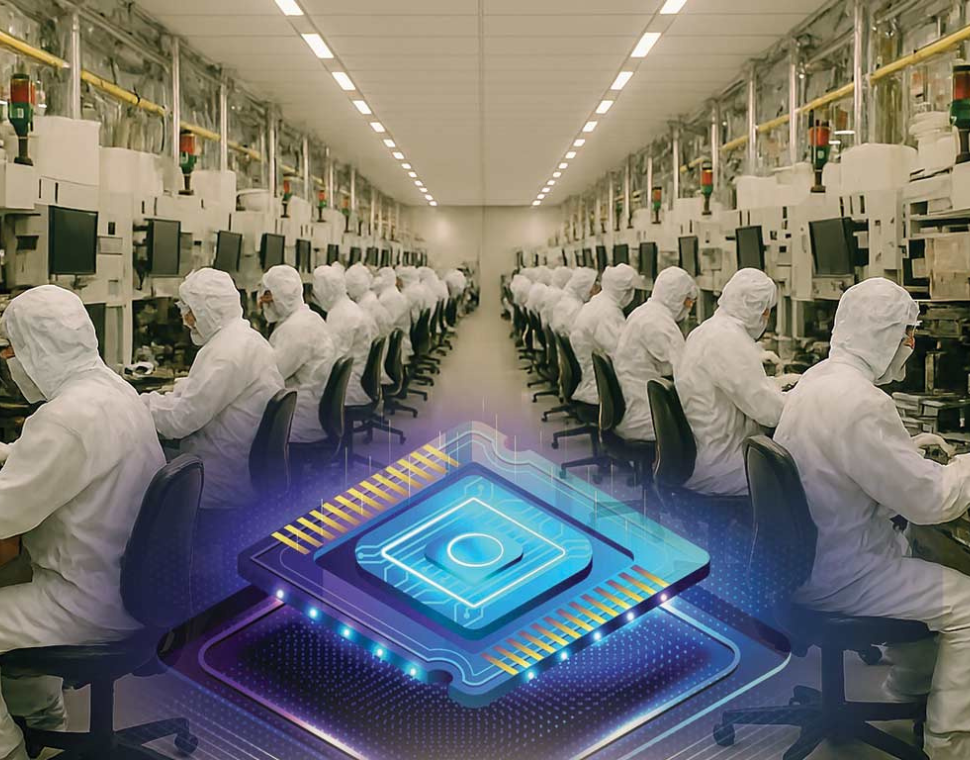
Semiconductors are the invisible yet essential building blocks of our digital lives. From smartphones and laptops to electric vehicles, medical equipment, and defense systems, almost every advanced product today relies on semiconductor chips. Their importance is so immense that nations across the globe treat semiconductor manufacturing as a matter of economic security and strategic independence.
For India, a country with one of the fastest-growing digital economies in the world, strengthening the semiconductor ecosystem is no longer optional, it’s a necessity.
India’s Semiconductor Push
India has historically been a hub for IT services and chip design talent, but lagged in large-scale manufacturing capacity. However, this narrative is changing rapidly.
- $10 billion incentive package under the Semicon India Program (2021) was introduced to attract global and domestic players.
- The India Semiconductor Mission (ISM) is driving policy, R&D, and collaboration with industry leaders.
- Leading companies like Micron Technology, Vedanta-Foxconn, and Tata Electronics have announced significant semiconductor manufacturing investments.
According to government reports, the Indian semiconductor market is projected to grow from $23.2 billion in 2022 to $80 billion by 2028, powered by demand in automotive, telecom, consumer electronics, and industrial applications.
Why Semiconductors Matter for India
Strengthening semiconductor capabilities means more than just powering gadgets. It directly impacts India’s long-term vision of self-reliance and global competitiveness.
- Electronics manufacturing: Smartphones, laptops, and wearables.
- Automotive industry: EVs, ADAS (Advanced Driver Assistance Systems), and battery management systems.
- Telecom & 5G: Network gear and next-gen connectivity infrastructure.
- Healthcare: Diagnostic equipment, life-support systems, and imaging devices.
- Defense & aerospace: Secure chips for communication, navigation, and weapon systems.
Each of these industries depends heavily on semiconductor availability. Without chips, even the most innovative product cannot exist.
The Role of On-Demand Manufacturing
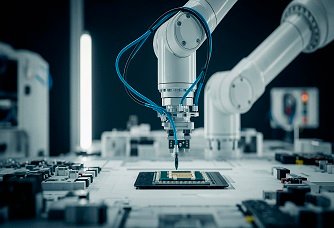
The challenge in semiconductors isn’t just about fabrication plants (fabs). It’s also about the vast supply chain of precision components, testing, packaging, and high-quality materials that support chip-making. This is where on-demand manufacturing becomes crucial.
On-demand manufacturing enables companies to:
- Prototype quickly: Accelerate R&D cycles with rapid prototyping.
- Reduce dependency: Manufacture specific parts locally instead of relying solely on imports.
- Scale flexibly: Produce small or large batches based on demand.
- Ensure precision: High-quality metal components made with strict tolerances, a necessity in semiconductor-grade production.
For startups and large enterprises alike, this model provides agility in a sector known for its high entry barriers.
How Mechkonnect Fits In
At Mechkonnect, we recognize that India’s semiconductor ambitions require more than policies and large-scale fabs — they need a strong ecosystem of reliable semiconductor manufacturing partners in India.
Through our on-demand manufacturing network, we support semiconductor-related industries with:
- Precision machining for high-tolerance parts.
- Custom prototyping to shorten development cycles.
- Scalable production solutions for electronics and automotive industries.
- Supply chain efficiency by connecting businesses with vetted manufacturers across India.
By bridging the gap between design innovation and manufacturing execution, Mechkonnect positions itself as a trusted partner in India’s semiconductor journey.
Challenges Ahead
While the opportunities are immense, the road isn’t without hurdles:
- High capital investment in fabs.
- Skilled workforce shortages in semiconductor manufacturing.
- Global competition from countries like Taiwan, South Korea, and the US.
- Geopolitical risks that can disrupt supply chains.
However, with sustained government support, industry participation, and the rise of on-demand manufacturing, India can carve out its place in the global semiconductor value chain.
The Road Ahead
Semiconductors are not just another sector; they are the foundation of the future economy. From enabling smart cities to driving electric mobility, their role in India’s growth story is undeniable.
India’s ambition is clear: to evolve from a consumer of chips to a global semiconductor hub. By fostering collaboration between policymakers, manufacturers, and innovators, this ambition is no longer a distant dream.
And in this ecosystem, platforms like Mechkonnect play a crucial role by offering reliable, scalable, and on-demand manufacturing solutions to power the industries that depend on semiconductors.