For years, supply chains were measured by how efficiently they could reduce inventory. Lean operations, just-in-time manufacturing, and cost optimization dominated boardroom conversations. In 2026, that equation has changed. Businesses are no longer asking how little inventory they can hold. They are asking how quickly they can respond when disruption hits.
From geopolitical instability and climate disruptions to fluctuating demand and AI-driven commerce, modern supply chains are operating in a state of continuous uncertainty. The challenge is no longer inventory versus agility. The challenge is balancing both without compromising profitability, service levels, or resilience.
Why Inventory Strategy is Changing in 2026
Global supply chains have become increasingly unpredictable over the last few years. According to recent 2026 supply chain trend studies, companies are prioritizing predictive analytics, AI-driven forecasting, and real-time visibility to reduce operational risks.
At the same time, the AI in the supply chain market is projected to grow from USD 7.3 billion in 2024 to nearly USD 63.8 billion by 2030, reflecting how aggressively businesses are investing in intelligent supply chain management.
This shift is happening because traditional inventory models are struggling with modern realities:
- Demand patterns change faster than historical forecasting models can predict.
- Global sourcing delays continue to impact production schedules.
- Customers expect faster deliveries and real-time availability.
- Excess inventory ties up working capital and warehouse capacity.
Holding too much inventory increases costs. Holding too little creates stockouts, delays, and customer dissatisfaction. The winning strategy in 2026 lies somewhere in between.
The Hidden Cost of Excess Inventory
Many companies responded to post-pandemic disruptions by overstocking inventory as a safety measure. While this improved short-term resilience, it also created serious financial pressure.
Excess inventory impacts businesses in multiple ways:
- Increased warehousing and storage costs
- Higher insurance and handling expenses
- Product obsolescence risks
- Reduced cash flow flexibility
- Slower operational efficiency
Large-scale enterprises are now using stochastic inventory optimization models and AI-based demand forecasting to reduce unnecessary stock buffers while maintaining service levels. Research shows that intelligent optimization frameworks can reduce inventory levels by 10–35% while still protecting operational continuity.
For manufacturers and distributors, this directly affects profitability.
Why Agility Matters More Than Ever
Agility has become one of the most valuable competitive advantages in supply chain management.
An agile supply chain can quickly adapt to:
- Supplier disruptions
- Demand spikes
- Transportation delays
- Regulatory changes
- Market fluctuations
In 2026, agility is increasingly powered by artificial intelligence, automation, and predictive analytics. AI-enabled systems are helping companies forecast demand, optimize logistics routes, automate replenishment, and identify supply chain risks before they escalate.
Modern supply chains are also moving toward:
- SKU-level inventory visibility
- Real-time warehouse monitoring
- Digital twins for logistics planning
- AI-powered procurement systems
- Automated warehouse operations
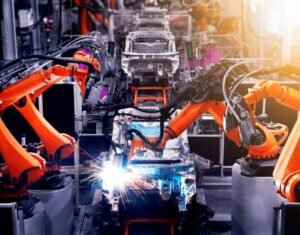
Gartner estimates that by 2030, 50% of new warehouses in developed markets will rely heavily on robotics and intelligent automation.
This means agility is no longer dependent only on human decision-making. It is increasingly driven by connected systems capable of reacting in real time.
The Right Balance: Smart Inventory, Not More Inventory
The most successful businesses in 2026 are not choosing between inventory and agility. They are building smarter inventory ecosystems.
Instead of maintaining excessive stock across the board, companies are using:
- AI-driven demand forecasting
- Predictive inventory planning
- Regionalized supply networks
- Dynamic safety stock models
- Supplier diversification
- Real-time analytics dashboards
This approach allows businesses to remain responsive without overcommitting capital to inventory.
For example, context-augmented machine learning models are now incorporating variables such as holidays, weather patterns, and sales deviations to improve inventory forecasting accuracy. The result is better inventory utilization, reduced waste, and faster response times.
What Businesses Should Prioritize in 2026
To achieve the right balance between inventory and agility, organizations should focus on three priorities:
1. Visibility Across the Supply Chain
Real-time data visibility helps businesses detect disruptions early and make faster operational decisions.
2. AI-Driven Forecasting
Traditional forecasting methods are no longer sufficient for volatile markets. Predictive analytics and machine learning improve forecast accuracy significantly.
3. Flexible Supply Networks
Relying on a single supplier or geography increases operational risk. Diversified sourcing and distributed inventory models improve resilience.
Final Thoughts
In 2026, inventory is no longer just a storage issue. It is a strategic business decision directly linked to resilience, customer satisfaction, and profitability.
Businesses that continue to operate with rigid inventory models may struggle with rising costs and market unpredictability. On the other hand, organizations investing in agile, AI-powered supply chain systems are building operations that can adapt faster, respond smarter, and scale more efficiently.
The future of supply chain management will belong to companies that can balance operational efficiency with real-time adaptability. Because in today’s market, the ability to respond quickly is becoming just as valuable as the inventory itself.