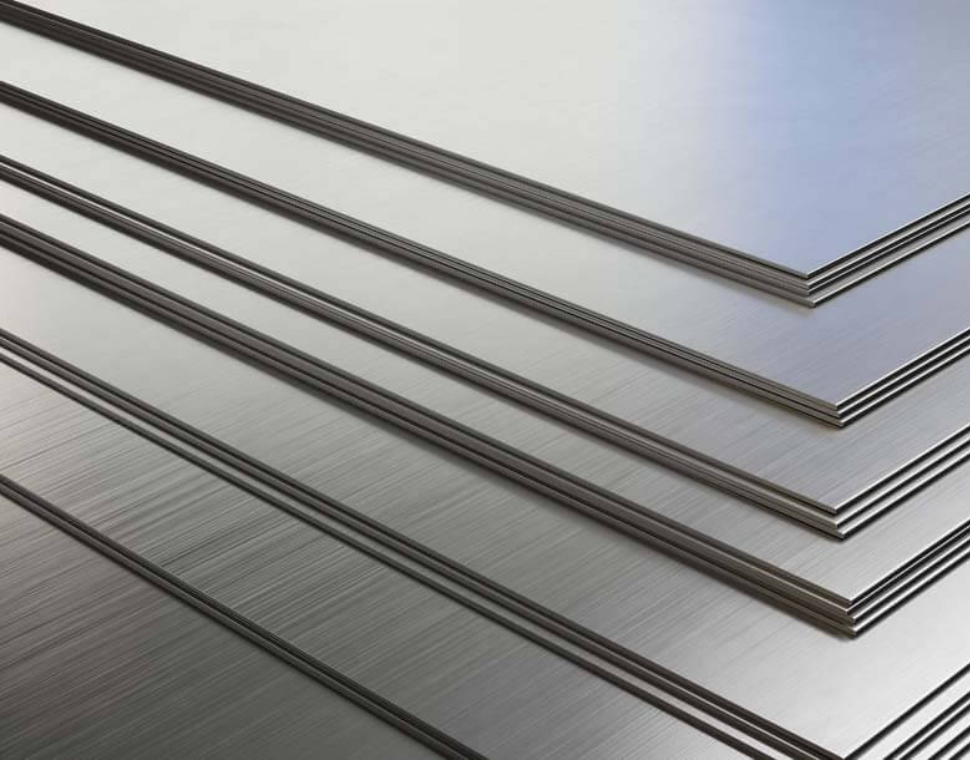
Sheet metal is a versatile material used in a wide range of industries for fabrication purposes. Understanding the characteristics, features, and applications of various types of sheet metals is essential for selecting the right material for your specific project requirements.
This comprehensive guide will delve into the nature of different sheet metals, their material features, and applications, and provide a comparison table for easy reference.
- Copper
Copper is a highly ductile and malleable metal with excellent conductivity and corrosion resistance.
Material Features: Copper sheets offer superior electrical and thermal conductivity, making them ideal for applications requiring efficient heat transfer and electrical conductivity. They also exhibit antimicrobial properties, making them suitable for medical equipment and food processing.
Applications: Copper sheets find applications in electrical wiring, heat exchangers, plumbing systems, architectural elements, and decorative accents.
- Steel
Steel is a versatile and durable metal alloy composed primarily of iron, with varying amounts of carbon and other alloying elements.
Material Features: Steel sheets offer high strength, toughness, and corrosion resistance. They can be easily formed, welded, and machined, making them suitable for various fabrication processes.
Applications: Steel sheets are used in automotive manufacturing, construction, machinery, appliances, and structural components.
- Aluminum
Aluminum is a lightweight metal with excellent corrosion resistance and thermal conductivity.
Material Features: Aluminum sheets offer a high strength-to-weight ratio, making them ideal for applications requiring lightweight yet durable materials. They are also highly resistant to corrosion, making them suitable for outdoor and marine applications.
Applications: Aluminum sheets are used in aerospace components, automotive body panels, electronic enclosures, and architectural structures.
- Brass
Brass is a metal alloy composed primarily of copper and zinc, with varying proportions of each metal influencing its properties.
Material Features: Brass sheets offer excellent corrosion resistance, machinability, and aesthetic appeal due to their golden color. They also exhibit antimicrobial properties, making them suitable for medical equipment and decorative applications.
Applications: Brass sheets are used in plumbing fixtures, musical instruments, decorative hardware, electrical connectors, and architectural elements.
- Alloy Steel
Alloy steel is a type of steel that contains additional alloying elements such as chromium, nickel, or molybdenum to enhance its properties.
Material Features: Alloy steel sheets offer superior strength, hardness, and wear resistance compared to carbon steel. They are commonly used in applications requiring high strength and durability, such as automotive components and machinery parts.
Applications: Alloy steel sheets are used in automotive manufacturing, machinery, tooling, and structural components.
- Stainless Steel
Stainless steel has at least 10.5% chromium in its composition, which creates a protective oxide layer on the surface, resulting in exceptional resistance to corrosion.
Material Features: Stainless steel sheets offer superior corrosion resistance, high strength, and hygienic properties, making them ideal for applications requiring cleanliness and durability. They are also resistant to high temperatures and chemical exposure.
Applications: Stainless steel sheets find extensive use in kitchen appliances, medical equipment, architectural structures, and chemical processing plants.
- Carbon Steel
Carbon steel is a kind of steel that has carbon as its chief alloying element. Different levels of carbon content influence its properties.
Material Features: Carbon steel sheets offer high strength, hardness, and machinability. They can be easily welded and formed into various shapes, making them suitable for several fabrication processes.
Applications: Carbon steel sheets are used in construction, automotive manufacturing, machinery, and infrastructure projects.
- Tool Steel
Tool steel is a high-carbon alloy containing additional elements such as chromium, vanadium, or tungsten to enhance its hardness and wear resistance.
Material Features: Tool steel exhibits exceptional hardness, abrasion resistance, and toughness, making it suitable for manufacturing cutting, shaping, and forming tools. It can retain its cutting edge even at high temperatures.
Applications: Tool steel sheets are essential for manufacturing cutting tools, dies, molds, and machine components in industries such as machining, woodworking, and metalworking.
- Galvanized Steel
Galvanized steel is carbon steel coated with a layer of zinc through a hot-dip galvanizing process, providing corrosion protection.
Material Features: Galvanized steel sheets offer excellent corrosion resistance, durability, and a smooth surface finish. The zinc coating acts as a barrier against moisture, preventing rust and corrosion.
Applications: Galvanized steel sheets are commonly used in outdoor structures, roofing, fencing, and automotive body panels.
Comparison chart of the types of metals used in sheet metal fabrication:
Type | Nature | Material Features | Applications |
Copper | Ductile, Conductive | Excellent conductivity, corrosion resistance | Electrical wiring, heat exchangers, architectural |
Steel | Versatile, Durable | High strength, toughness, corrosion resistance | Automotive, construction, machinery |
Aluminum | Lightweight, Corrosion-resistant | High strength-to-weight ratio, corrosion resistance | Aerospace, automotive, electronics |
Brass | Corrosion-resistant, Aesthetic | Corrosion resistance, machinability | Plumbing fixtures, musical instruments, decorative |
Alloy Steel | High Strength, Wear-resistant | Superior strength, hardness, wear resistance | Automotive components, machinery parts |
Stainless Steel | Corrosion-resistant, Hygienic | Excellent corrosion resistance, high strength | Kitchen appliances, medical equipment, architectural |
Carbon Steel | High Strength, Machinable | High strength, hardness, machinability | Construction, automotive, machinery |
Tool Steel | Hard, Wear-resistant | Exceptional hardness, abrasion resistance | Cutting tools, dies, molds, machine components |
Galvanized Steel | Corrosion-resistant, Durable | Excellent corrosion resistance, smooth finish | Outdoor structures, roofing, automotive |
Choosing the right type of sheet metal is crucial for achieving desired results in fabrication projects. Each type of sheet metal offers unique properties and advantages, catering to different applications and requirements. By understanding the nature, material features, and applications of various sheet metals, you can make informed decisions to ensure optimal performance and quality in your fabrication projects.
Get Seamless Sheet Metal Fabrication Solutions from Mechkonnect
Need expert assistance in selecting the suitable sheet metal for your fabrication project? Mechkonnect is here to help. Our experienced team can provide personalized recommendations based on your requirements, ensuring superior performance and quality in your finished products. Contact us today for expert guidance and top-notch solutions tailored to your needs.
Want to know more about sheet metal fabrication? Take a look at our services section.