In recent years, we have witnessed the transformative power of 3D printing as it revolutionizes industries worldwide. India, too, has eagerly embraced this groundbreaking technology, and the ascent of 3D printing in the country has been nothing short of remarkable.
Let’s dive into the concept, process, services, technology, and applications of 3D printing and explore how it’s reshaping the Indian landscape.
Concept of 3D Printing
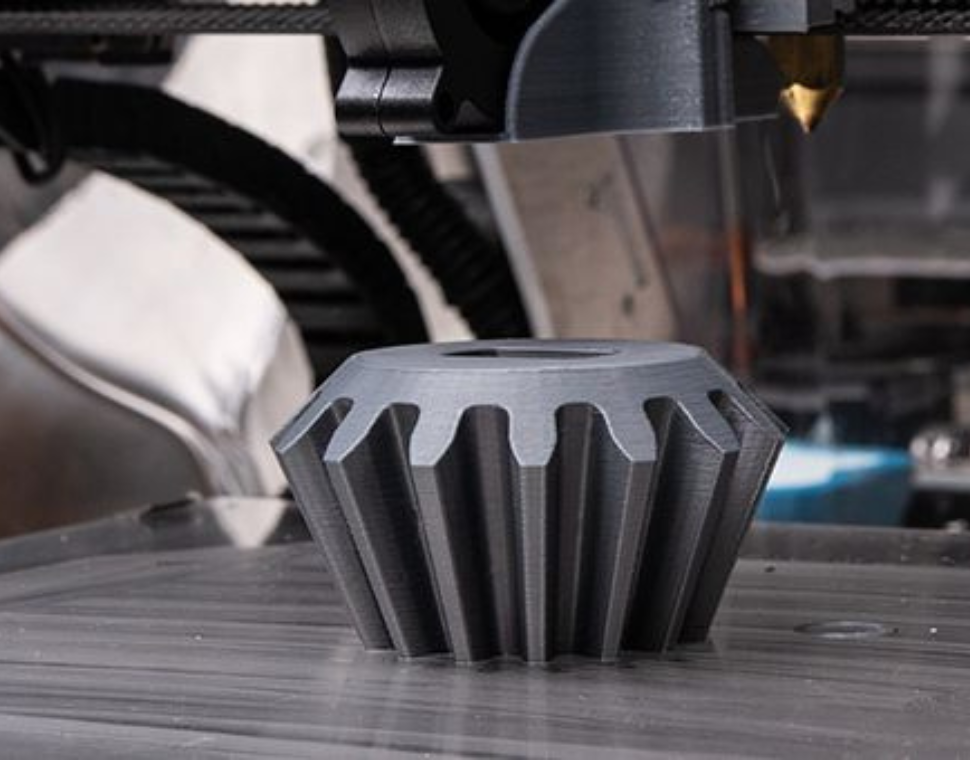
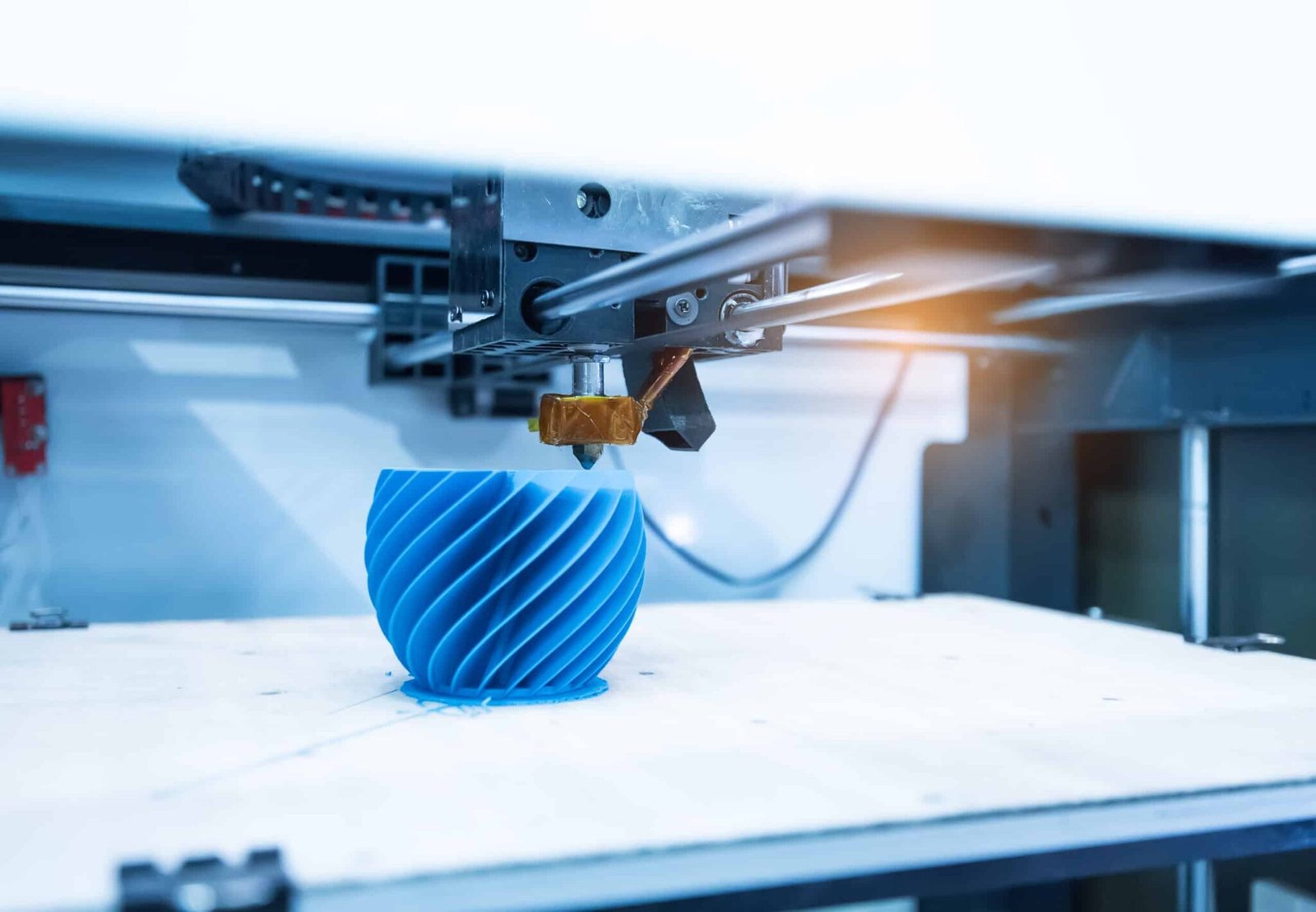
We find the concept of 3D printing fascinating—it involves producing three-dimensional objects in a ‘layer-by-layer’ format from digital models through additive manufacturing. Unlike traditional methods that subtract material from a larger piece, 3D printing adds material layer by layer, allowing unparalleled design flexibility and customization. This versatility makes it a game-changer for various applications.
The 3D printing market size is estimated to achieve USD 105.99 billion by 2030 globally as per a report. Extensive digitalization and advancements in technologies have significantly increased the scope of 3D printing across industries.
Process of 3D Printing
The 3D printing process involves several key steps: –
Creating a Digital Model: The process begins with the creation of a digital 3D model using computer-aided design (CAD) software. For the physical object creation, the CAD’s digital model works as a blueprint.
Slicing the Model: The digital model is sliced into thin cross-sectional layers using specialized software. Each layer is then used as a guide for the 3D printer.
Printing the Layers: The 3D printer reads each layer of the sliced model and deposits material, layer by layer until the entire object is formed. Common materials used in 3D printing include plastics, metals, ceramics, and food-grade materials.
Post-Processing: After printing, the object may undergo post-processing steps such as curing, polishing, or additional treatments to enhance its properties and appearance.
Services Offered in 3D Printing
The rise of 3D printing in India has led to a diverse range of services offered in the market.
Prototyping
3D printing is widely used for rapid prototyping, allowing designers and engineers to iterate and test their concepts before mass production quickly.
Customized Manufacturing
The ability to create highly customizable products is one of the key advantages of 3D printing. This has found applications in industries like healthcare for personalized medical implants and prosthetics.
Tooling and Jigs
3D printing is employed to create customized tooling and jigs, reducing lead times and costs in manufacturing processes.
Educational Models
The technology is utilized in educational institutions to create visual aids and models for teaching complex concepts tangibly and interactively.
Technology in 3D Printing
Several 3D printing technologies are employed in India, each with its own set of advantages and applications:
Fused Deposition Modeling (FDM)
FDM is a common 3D printing technology where thermoplastic filaments are melted and deposited layer by layer to create objects.
Stereolithography (SLA)
SLA uses a liquid resin that is cured layer by layer using ultraviolet light, resulting in high-resolution and detailed prints.
Selective Laser Sintering (SLS)
SLS employs a laser to sinter powdered material, such as plastics or metals, layer by layer, producing strong and functional parts.
Applications of 3D Printing in India
The versatility of 3D printing finds applications in diverse sectors in India. In healthcare, customized implants, prosthetics, and patient-specific anatomical models are created. The automotive industry utilizes 3D printing for prototyping, tooling, and even production parts, contributing to faster development cycles. In aerospace, the technology is employed for manufacturing lightweight and complex components, improving fuel efficiency and performance. Educational institutions leverage 3D printing for creating models and prototypes, enhancing the learning experience for students.
Challenges and Opportunities in the Indian Context
While the rise of 3D printing in India is evident, it comes with challenges and opportunities. One significant challenge is the need for skilled professionals who can harness the full potential of this technology. Training programs and educational initiatives are crucial to bridge this gap and empower the workforce with the necessary skills.
Moreover, the cost of 3D printing technology and materials can hinder widespread adoption, especially for small and medium enterprises (SMEs). However, with advancements in technology and increased competition, there is a growing trend towards more affordable and accessible 3D printing solutions.
On the flip side, the opportunities presented by 3D printing in India are vast. The technology has the potential to revolutionize traditional manufacturing processes, making them more efficient and cost-effective. As awareness grows and the ecosystem matures, more businesses are likely to explore and invest in 3D printing solutions.
Future Trends and Developments
Looking ahead, the future of 3D printing in India appears promising. Several trends and developments are shaping the trajectory of this technology:
- Materials Innovation
Researchers are constantly exploring new materials for 3D printing, including biodegradable plastics, composite materials, and even sustainable alternatives. This focus on materials innovation will open up new possibilities for diverse applications.
- Large-Scale 3D Printing
The capability to print larger and more complex objects is gaining traction. This trend is particularly significant in industries like construction, where 3D printing is being explored for building houses and infrastructure.
- Collaboration and Open-Source Initiatives
The 3D printing community in India is witnessing increased collaboration and the rise of open-source initiatives. This collaborative spirit fosters knowledge-sharing, accelerates innovation, and makes the technology more accessible to a wider audience.
In conclusion, the rise of 3D printing in India signifies a transformative shift in the manufacturing landscape. From prototyping to customized manufacturing, this technology is disrupting traditional practices and unlocking new possibilities across various industries. As the technology continues to advance, we can expect even greater integration and innovation in the Indian market, further propelling the country into the forefront of the global 3D printing revolution. While challenges persist, the opportunities and potential benefits for businesses, education, healthcare, and various other sectors are immense, making 3D printing a key player in India’s journey towards technological advancement and industrial evolution.