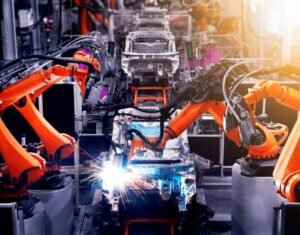
Manufacturing today is far more interconnected than it appears on the surface.
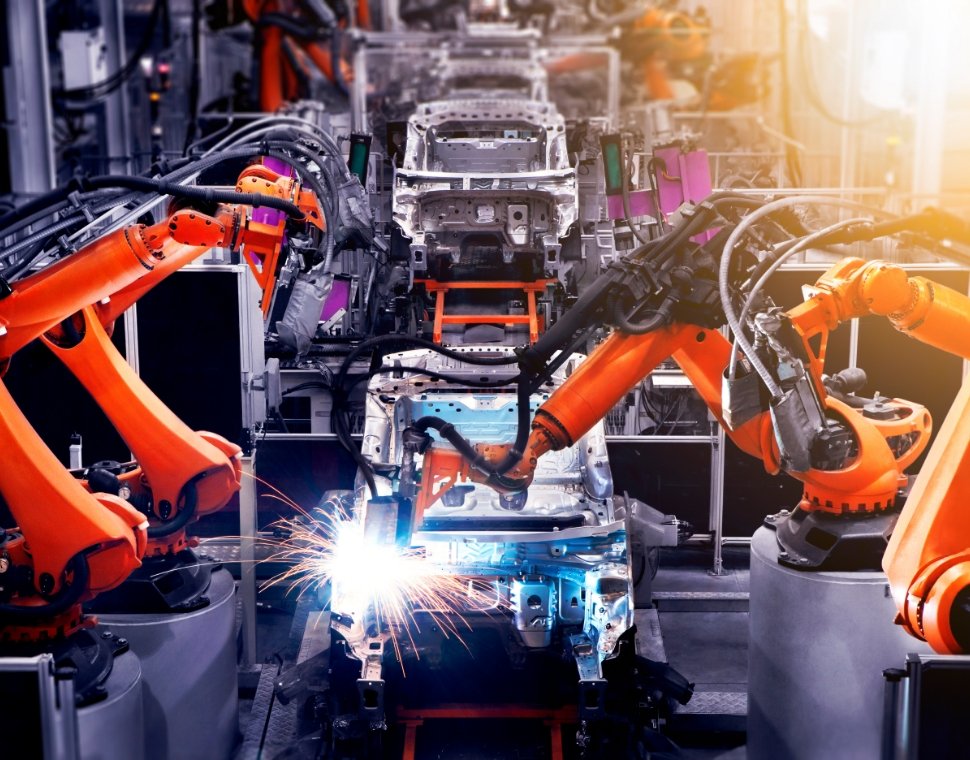
A single finished component often depends on multiple processes, such as CNC machining, forging, casting, fabrication, moulding, or even 3D printing. Yet, many businesses still manage these through separate vendors, fragmented timelines, and disconnected workflows.
What this creates is not just complexity, but inefficiency.
- Delays increase.
- Quality becomes inconsistent.
- Coordination takes more effort than execution.
And over time, this directly impacts cost, timelines, and reliability.
The Limitation of a Vendor-Driven Model
Traditional manufacturing relationships have largely been transactional.
- A requirement is shared.
- A vendor delivers a specific process.
- The cycle repeats.
This model works when operations are simple and predictable. It begins to break down when:
- Multiple processes need to be coordinated
- Timelines are tight and interdependent
- Customization and flexibility become critical
Managing different vendors for machining, casting, and fabrication may seem manageable initially, but as scale increases, so does friction.
The real challenge is not execution. It is alignment across execution.
The Shift Toward Strategic Manufacturing Support
This is where the role of a strategic manufacturing partner becomes important.
Instead of operating as isolated service providers, businesses are moving toward integrated support systems, partners who understand the full production requirement and can manage multiple aspects of it cohesively.
This shift is driven by a simple need: Less coordination, more control
A strategic partner does not just execute tasks. They:
- Understand interdependencies between processes
- Ensure consistency across different stages of production
- Reduce delays caused by fragmented workflows
- Act as a single point of accountability
Where On-Demand Manufacturing Fits In
Alongside this shift, on-demand manufacturing is becoming a key operational approach.
Rather than producing in bulk and holding inventory, companies are increasingly moving toward on-demand production in manufacturing, where components are produced based on actual requirements.
This model helps:
- Reduce inventory and storage costs
- Improve cash flow
- Enable faster response to changing needs
- Avoid overproduction and waste
However, on-demand manufacturing only works efficiently when execution is reliable and flexible.
And that requires more than multiple vendors; it requires a coordinated system.
The Advantage of Multi-Process Capability
A major part of building this system is access to multiple manufacturing capabilities under a unified approach.
Different requirements call for different processes:
- CNC machining for precision and tight tolerances
- Forging and casting for strength and volume production
- Fabrication for structural and custom builds
- Moulding for complex geometries
- 3D printing for rapid prototyping and low-volume runs
When these processes are handled in isolation, the burden of coordination falls on the client. When they are aligned through a single partner, the process becomes significantly more efficient. This is where vendor consolidation starts creating real value, not just in cost, but in control and consistency.
control and consistency.
From Execution to Enablement
The expectation from industrial partners is changing.
It is no longer enough to deliver a process. Businesses are looking for partners who can:
- Adapt to changing production requirements
- Support both small-batch and large-scale needs
- Maintain consistent quality across processes
- Reduce operational friction
In other words, the role is shifting from execution to enablement. A strategic support system allows manufacturers to focus on core business priorities while ensuring that production remains stable, flexible, and aligned.
From Inventory Heavy to Digitally Driven Supply Chains
Traditional supply chains rely on physical stock. EV manufacturing exposes the risk of this approach when designs change frequently. Unsold or obsolete components quickly become financial liabilities.
Digital inventories offer an alternative. Validated CAD files, approved materials, and qualified processes replace physical stock with digital readiness. Parts can be produced closer to the point of use, reducing lead times and inventory carrying costs. This approach also supports regional manufacturing and faster service part availability.
How Mechkonnect Supports Modern Manufacturing Needs
Manufacturers today don’t just need execution; they need coordination, flexibility, and reliability built into the system.
At Mechkonnect Industrial Solutions, the focus is on simplifying complex manufacturing requirements by bringing multiple capabilities under one aligned framework. From CNC machining and fabrication to casting, forging, moulding, and 3D printing, the emphasis is on ensuring that each process connects seamlessly with the next.
This approach allows businesses to move faster, reduce dependency on fragmented vendor networks, and adapt more easily to changing production needs through on-demand manufacturing.
With better alignment across processes, operations become more predictable, timelines easier to manage, and execution significantly more efficient.